For teachers who use MeetingMinutes to capture and manage recorded teaching discussions, the challenge after a semester is not simply keeping files—it is finding useful teaching evidence when preparing the next class. MeetingMinutes provides functions such as file management, web access, cross-device synchronization, multiple import methods, calendar organization, export options and sharing features that can support a more structured archive workflow. However, the value of these tools depends less on recording volume and more on whether teachers create a system that connects recordings with course topics, classroom cases, student questions and future improvements.
The trend discussed here is the shift, from roughly 2020 to 2026, toward treating lesson recordings as reusable teaching resources rather than temporary classroom records. This does not mean every teacher is adopting recording-based workflows, and there is no reliable evidence showing a universal industry-wide adoption rate. Instead, research since the pandemic period shows increasing interest in video-supported reflection, digital portfolios and evidence-based teacher development. Studies in teacher education have found that reviewing recorded lessons can help educators revisit instructional decisions and discuss specific classroom moments, although many studies remain small-scale rather than proof of broad adoption. Taylor & Francis Online
The practical reason for this change is familiar: teachers often repeat preparation work because valuable examples become difficult to locate. A recorded explanation of a difficult concept, a student misunderstanding, or a successful classroom activity may exist somewhere on a device or cloud folder but remain unusable without organization. A more sustainable approach is to build a teaching archive with a clear structure. For example, teachers can create folders by course, then divide them by chapter, date, and topic. A mathematics teacher might store “Algebra → Equations → Common Errors → September 2026,” while a language teacher might organize “Writing Skills → Argument Structure → Student Examples.”
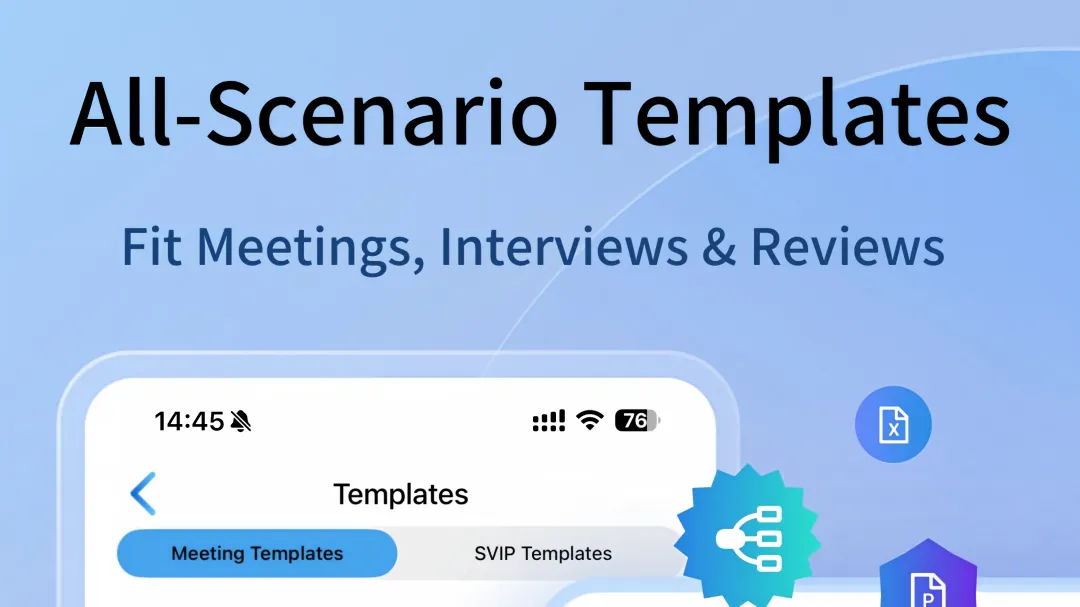
MeetingMinutes’ documented file management, import, synchronization and export capabilities can fit into this type of workflow by helping teachers keep related materials accessible across devices and transform stored records into formats suitable for later use. The official information confirms support for importing audio and video, cloud and local storage options, cross-device synchronization, sharing and multiple export formats.
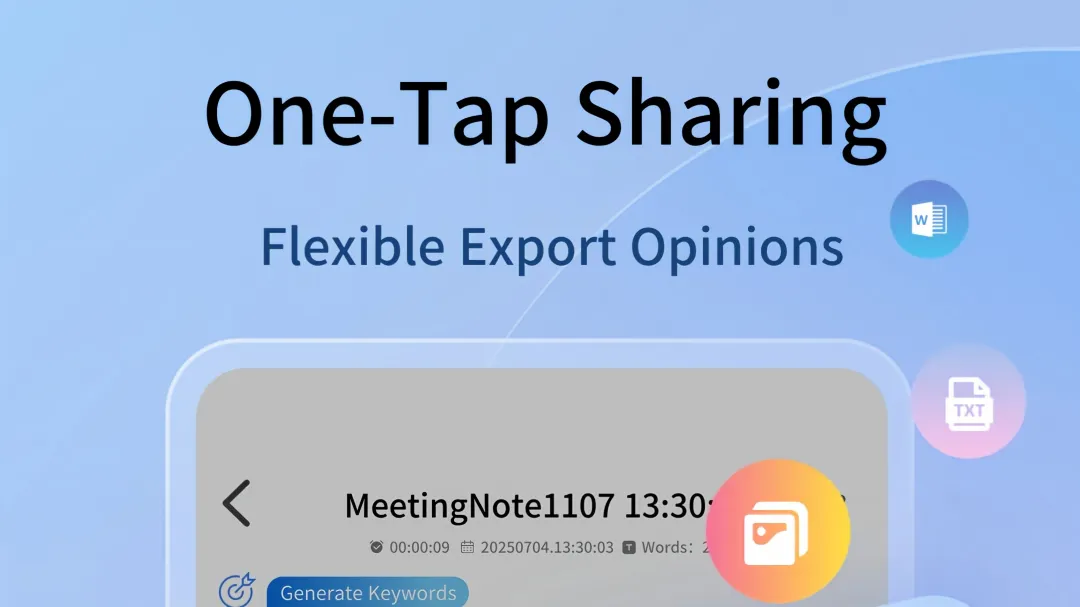
However, teachers should not assume that the platform automatically creates a complete pedagogical archive; the classification of examples, questions and improvement notes still requires human judgment.
Evidence from teacher reflection research supports this point. Recent studies on video-enhanced reflection suggest that recordings become more valuable when teachers actively analyze them rather than simply watch them. Research published in 2024 found that video-based reflection activities can support teachers in examining their practices, but technical difficulties and implementation conditions remain barriers. Wiley Online Library Another study on video-enhanced assessment reported that recorded lessons combined with reflection processes can provide richer evidence for teacher development, while also depending on appropriate structures for review and discussion. Taylor & Francis Online
For daily teaching workflows, the key improvement is adding context to recordings. After each class, teachers can attach notes about three areas: classroom cases (what example worked or failed), common student questions (where learners struggled), and next revision points (what should change before the next semester). A recording without these notes is mainly a storage item; a recording connected to decisions becomes a reusable teaching asset.
There are also limitations. Maintaining a detailed archive requires additional time at the end of lessons, and poorly organized recordings can create a larger search problem instead of solving one. Privacy and consent issues must also be considered, especially when recordings contain student voices, discussions or identifiable information. In addition, research has not yet established that storing more lesson recordings alone improves teaching quality.
The likely future direction is not unlimited recording, but selective preservation. Teachers may increasingly keep recordings that explain recurring difficulties, demonstrate effective activities or document important changes in course design. The evidence so far supports the usefulness of structured reflection, not the assumption that technology automatically improves teaching. For users of MeetingMinutes, the practical lesson is clear: the benefit comes from combining recording and organization habits—turning scattered classroom moments into searchable, revisable resources for future classes.
Responses
Join the conversation
Sign in to share your thoughts and interact with the author.
Sign In to Comment