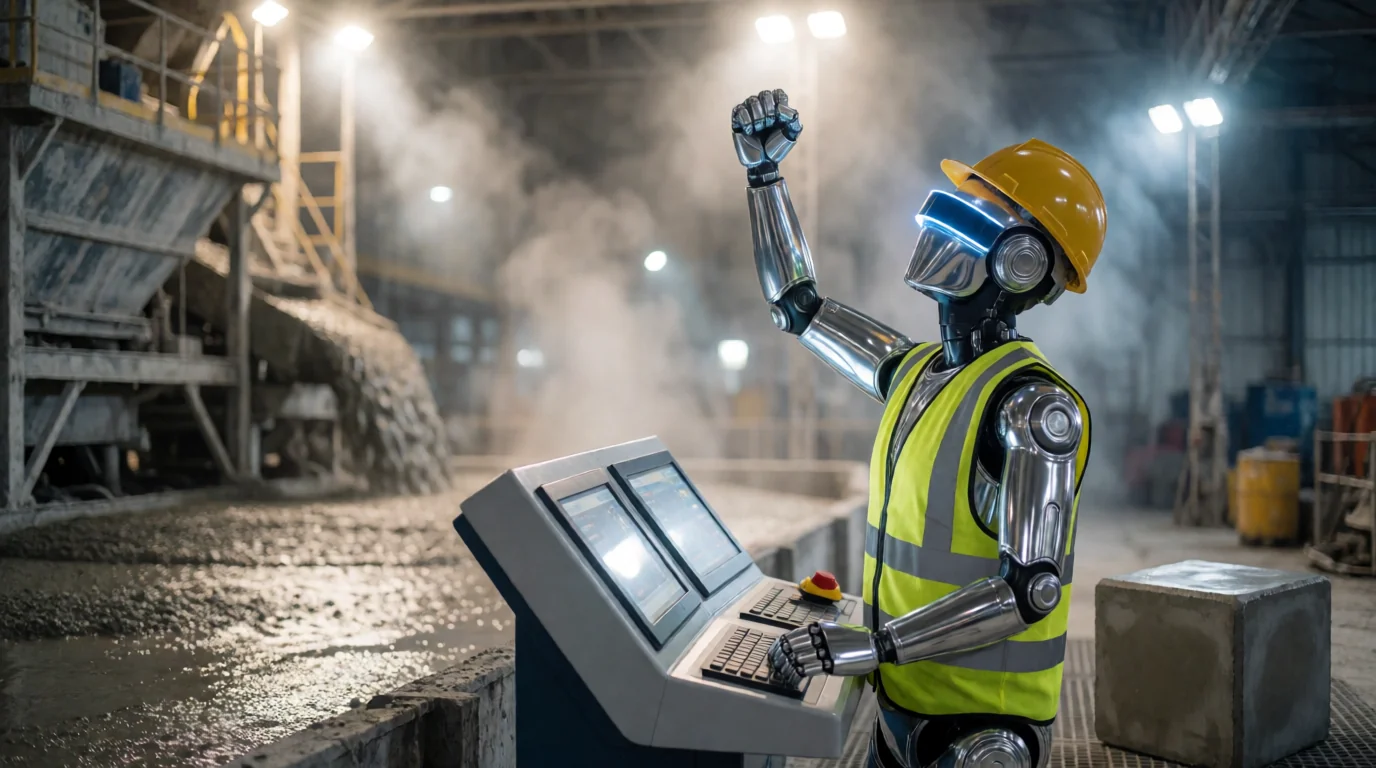


In modern civil engineering and urban real estate development, achieving structural reliability and material consistency relies directly on technological advancements in manufacturing machinery. Concrete is no longer regarded as a basic hand-mixed slurry of sand, gravel, and water; it is a custom-engineered composite designed to satisfy strict mechanical load specifications, spatial requirements, and environmental exposure conditions. Traditional site-mixed concrete preparation often introduces severe vulnerabilities into structural frames due to uncalibrated batching, manual labor fatigue, and variable moisture levels. To overcome these limitations, modern contractors rely on advanced plant machinery and automated logistics to maintain high-volume material production. Utilizing certified, factory-controlled ready mix concrete in Pakistan equips developers, structural engineers, and site managers with a highly reliable material supply chain engineered to support ambitious, multi-story infrastructure projects.
Computerized Batching Plants and Automated Precision
The foundation of modern concrete production lies in computerized batching facilities. Industrial batching plants integrate automated sensors, load cells, and digital control units to weigh and proportion raw materials with extreme accuracy.
Key technological capabilities of modern batching machinery include:
- Digital Weight Sensors: Calibrated load cells measure cement, coarse aggregates, sand, and chemical admixtures digitally, eliminating human error in material proportioning.
- Microwave Moisture Probes: Real-time moisture sensors installed in aggregate bins continuously adjust added water volumes, ensuring strict adherence to designed water-cement ratios.
- Automated Admixture Dispensers: Liquid chemical admixtures—such as superplasticizers, retarders, and accelerators—are injected with milliliter precision to control slump and setting times.
Eliminating manual measurement variances ensures uniform compressive strength across every structural column, beam, and floor slab.
High-Capacity Transit Mixers and Fleet Management
Transporting fresh concrete from central batching plants to active construction sites requires specialized, high-capacity machinery. Transit mixers feature heavy-duty rotating drums equipped with helical internal blades that maintain concrete homogeneity and prevent segregation during transport.
Logistical and operational benefits of specialized transit fleets feature:
- Agitation during Transport: Continuous drum rotation keeps the concrete matrix uniform, preventing aggregate settlement and early stiffening.
- GPS Dispatch Tracking: Fleet monitoring software coordinates delivery schedules to ensure a continuous stream of transit mixers arrives at the job site without gaps.
- Temperature Control: Modern drum designs and insulated water systems help manage internal mix temperatures during hot summer dispatches, preventing thermal cracking.
Maintaining consistent material state during transit ensures that concrete arrives at the job site ready for immediate placement without requiring extra water that compromises structural integrity.
High-Pressure Concrete Pumps and Monolithic Placement
The final stage of automated concrete production involves mechanized placement on the construction site. High-capacity boom pumps and stationary line pumps move large volumes of concrete directly into elevated formwork or deep foundation trenches. Pumping forces the dense concrete mix around tightly spaced steel rebar grids, eliminating internal voids, air pockets, and honeycombing. Furthermore, rapid pumping enables continuous, monolithic foundation pours, eliminating structural cold joints—seams formed when fresh concrete is poured over layers that have already begun to set.
Enhanced Resource Efficiency and Eco-Friendly Operations
Modern production equipment supports sustainable construction by optimizing raw material usage. Automated batching machinery minimizes cement dust emissions through enclosed silos and baghouse filtration systems. Additionally, modern plants incorporate slurry recycling loops that filter and reclaim process water for reuse, reducing overall freshwater consumption and preventing site runoff.
Conclusion
The role of modern equipment in concrete production is vital because structural stability, material uniformity, schedule compliance, and environmental efficiency depend on automated precision. Moving away from unmonitored, manual site-mixing toward computerized batching facilities and specialized delivery logistics shields civil developments against structural defects and costly project delays. Partnering with industry leaders for certified ready mix concrete in Pakistan equips developers, structural engineers, and contractors with a solid, high-performing foundation for building resilient, future-proof urban infrastructure.
Survey No. 423, Ibrahim Hydri, behind Bol head quarter, Korangi creek road, Karachi-74900
+92 21 111 250 250
Responses (0)
Join the conversation
Sign in to share your thoughts and talk with the author.
Sign in to respondNo responses yet. Be the first to share your thoughts!